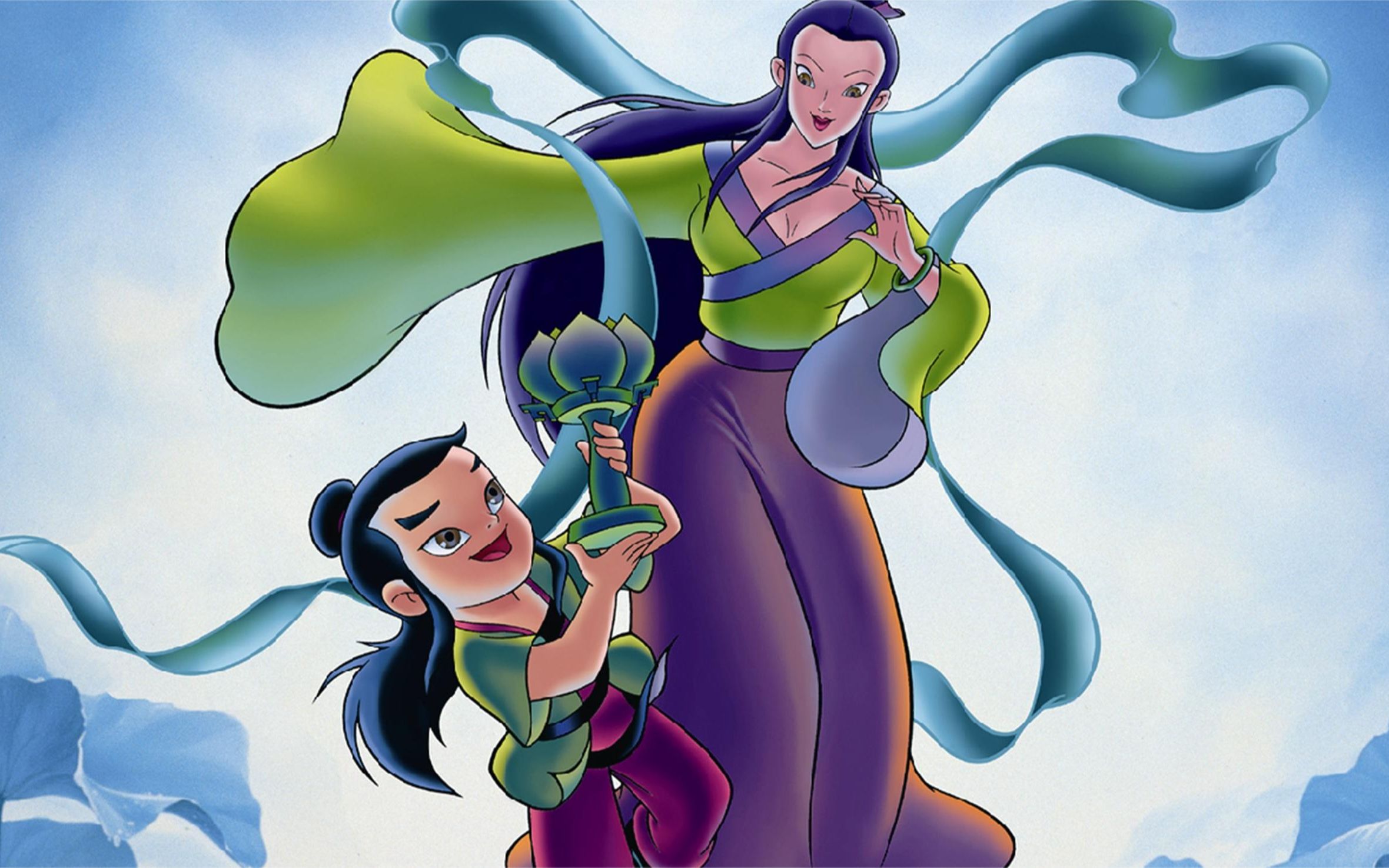
Lotus Lantern (Animation)
Introduction
Lotus Lantern is a landmark animated feature film in China, released on July 30, 1999. Produced by the Shanghai Animation Film Studio, it stands as a significant milestone in the history of Chinese animation, representing the peak of domestic industry efforts at the time. The film captivated audiences with its innovative storytelling, impressive animation quality, and a rich blend of traditional Chinese mythology with contemporary animation techniques. Lotus Lantern has been celebrated for its artistic achievements and its role in popularizing Chinese folklore through the medium of animation. The film's success marked a turning point for Chinese animation, influencing future productions and contributing to the cultural tapestry of the country.
Background
Lotus Lantern was produced during a period of significant transformation within the Chinese film industry, particularly in the animation sector. The production of the film took four years, requiring over 150,000 animation frames and more than 2,000 painted backgrounds. These efforts highlighted the dedication and ambition of the filmmakers to create a work that could stand alongside international animation standards.
The narrative of Lotus Lantern is deeply rooted in Chinese folklore, drawing inspiration from the legend of Chenxiang, a young hero on a quest to save his mother. This tale has been passed down through generations, illustrating themes of bravery, filial piety, and the struggle against oppressive forces. The film's innovative approach to this traditional story, combined with modern animation techniques, helped Lotus Lantern become a beloved classic in Chinese animation.
Plot Summary
The story of Lotus Lantern revolves around Chenxiang, the son of a celestial being and a mortal. When his mother is imprisoned by the gods for her forbidden love with a mortal, Chenxiang embarks on a perilous journey to rescue her. Guided by the powerful lotus lantern, a mystical artifact imbued with divine power, Chenxiang faces numerous challenges and adversaries, including his ruthless uncle Erlang Shen, a powerful deity known for his third truth-seeing eye.
Throughout his journey, Chenxiang grows from a naive boy into a courageous hero. He learns the value of persistence, loyalty, and the importance of standing against tyranny. The film's climactic battle scenes and emotional depth capture the audience's imagination, emphasizing the triumph of good over evil and the enduring strength of familial bonds.
Characters
Chenxiang: The protagonist of the film, Chenxiang is depicted as a brave, persistent, and filial young man. His journey to rescue his mother forms the core of the narrative, showcasing his growth from innocence to heroism.
Erlang Shen: A formidable antagonist, Erlang Shen is known for his supernatural abilities and his iconic third eye, which sees the truth. He is depicted as a complex character, torn between duty and personal vendettas.
Chenxiang's Mother: A celestial being who falls in love with a mortal, her imprisonment sets the events of the film in motion. Her love and sacrifice are central themes in the story, influencing Chenxiang's quest.
Lotus Lantern: Though an inanimate object, the lotus lantern itself serves as a crucial character in the film. Its mystical properties and the guidance it offers Chenxiang make it an essential element in his journey.
Themes
Lotus Lantern explores several universal themes that resonate across cultures and time periods. The theme of filial piety is central to the narrative, reflecting the importance of family and the lengths one will go to protect and honor loved ones. The film also delves into themes of courage and resilience, as Chenxiang faces formidable challenges and adversities in his quest.
Another significant theme is the struggle against injustice and oppression, embodied by the character of Erlang Shen and the heavenly bureaucracy he represents. The film portrays the triumph of the human spirit over tyranny, with Chenxiang's actions serving as a metaphor for resistance against unfairness and authoritarian control.








